Gypsum board drywall and PVC panels are common false ceilings used by builders in homes to hide wiring and integrate lighting into nooks and crannies. However there are situations when a false ceiling is not practical. Lighting must be planned without a false ceiling possibly for structural reasons, financial reasons, or just the desire to maintain the full height of the space.
This calls for careful fixture selection, wiring design and layout preparation. Well look at lighting without a false ceiling in 2025 in this post. You will discover how to plan for consistent illumination, how to prevent glare how to preserve flexibility, and what kinds of lighting work. The objective is to create a lighting solution for contemporary homes that is practical stylish and efficient without sacrificing aesthetics.
What is False Ceiling?
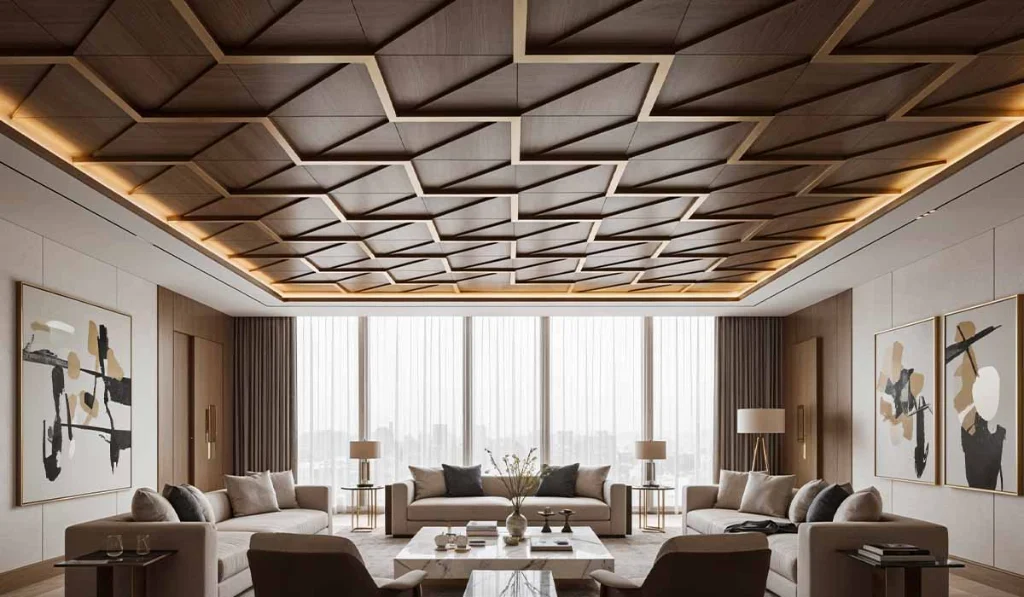
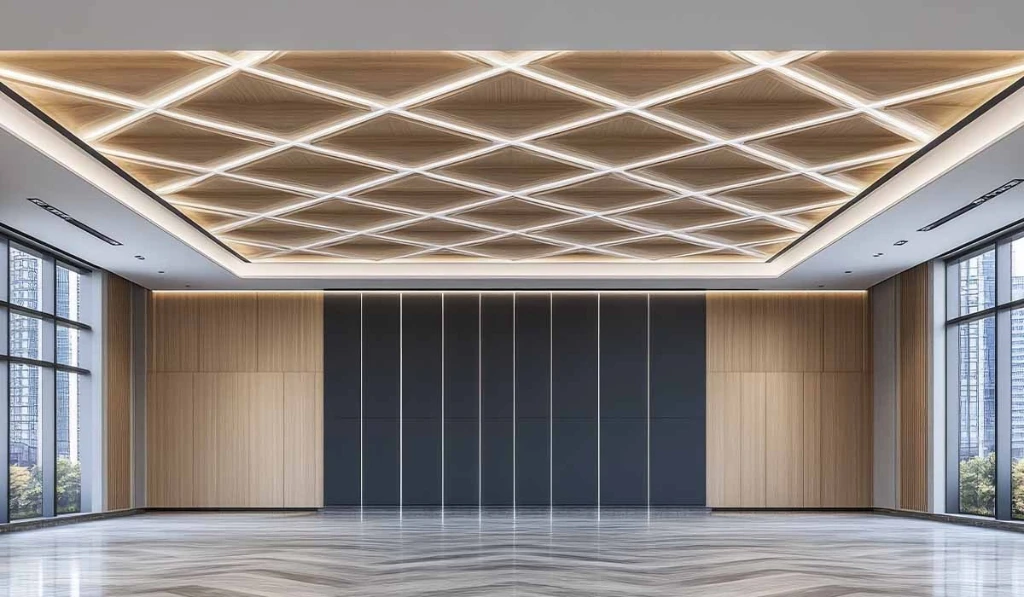
A false ceiling that hangs beneath the primary structural ceiling is called a false ceiling. Typically it is constructed from metal panels PVC wood gypsum board or plaster of Paris (POP). Air conditioning ducts conduits pipes and wires are concealed in the area between the false ceiling and the structural ceiling.
False ceilings are used in interior design for both practical and aesthetic reasons. They permit patterned patterns cove lighting and recessed lighting. Additionally they lessen heat in some spaces and enhance acoustics. But not every home or apartment has room for them. Depending on personal preference financial constraints or low ceiling heights false ceilings may be avoided. So the question is how can lighting be designed without them?
Is it Lighting Without False Ceiling Possible?
Yes, lighting without a false ceiling is completely possible. In fact, with modern fixtures and advanced LED technology, it has become easier in 2025. Many homeowners prefer to skip false ceilings and still create attractive interiors by combining surface-mounted lights, wall lights, pendants, and floor lamps.
Lighting without a false ceiling not only works but can also be more flexible. Unlike recessed fixtures that need ceiling depth, surface lights and wall lights can be installed directly. Track systems, table lamps, and smart lighting solutions also give freedom to change arrangements without altering ceilings.
The key is to plan carefully. You must think about room size, purpose, and where light is needed most. By layering ambient, task, and accent light, you can make any room bright and welcoming without a false ceiling.
20 Ideas for Lighting Without False Ceiling
Designing lighting without false ceiling requires creativity. Below are eighteen practical ideas that work well in different spaces. Each idea can be adapted to suit room size, style, and function.
Surface-Mounted Ceiling Panels: Flat LED panels attach directly to the ceiling slab. They provide uniform brightness, consume less energy, and suit kitchens or offices. Their slim build avoids bulk while ensuring balanced illumination without any need for false ceilings.
Decorative Surface Lights: Flush-mounted decorative fixtures bring charm to plain ceilings. With designs in glass, fabric, or metal, they work well in foyers or bedrooms. They combine style and practicality, making spaces brighter while enhancing décor.
Track Lighting: Track lighting systems allow adjustable spotlights mounted on rails. They provide flexibility to highlight art, furniture, or walls. Perfect for modern homes, they adapt easily to layout changes without requiring a false ceiling structure.
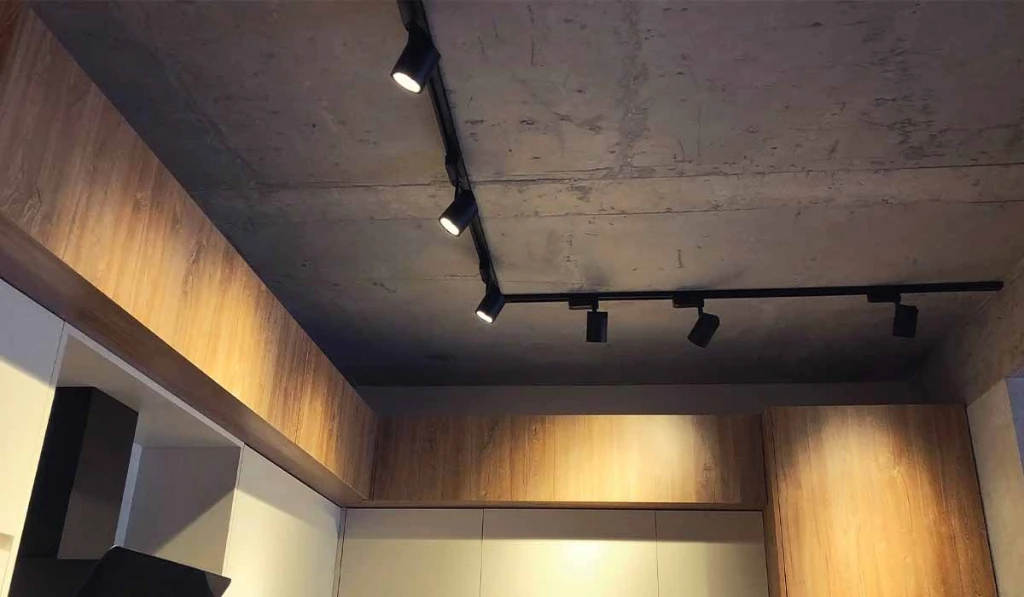
Linear Bar Fixtures: Linear bar LEDs spread light evenly across long areas such as corridors or dining spaces. Easy to mount on walls or ceilings, they reduce dark spots while offering sleek, contemporary design without false ceilings.
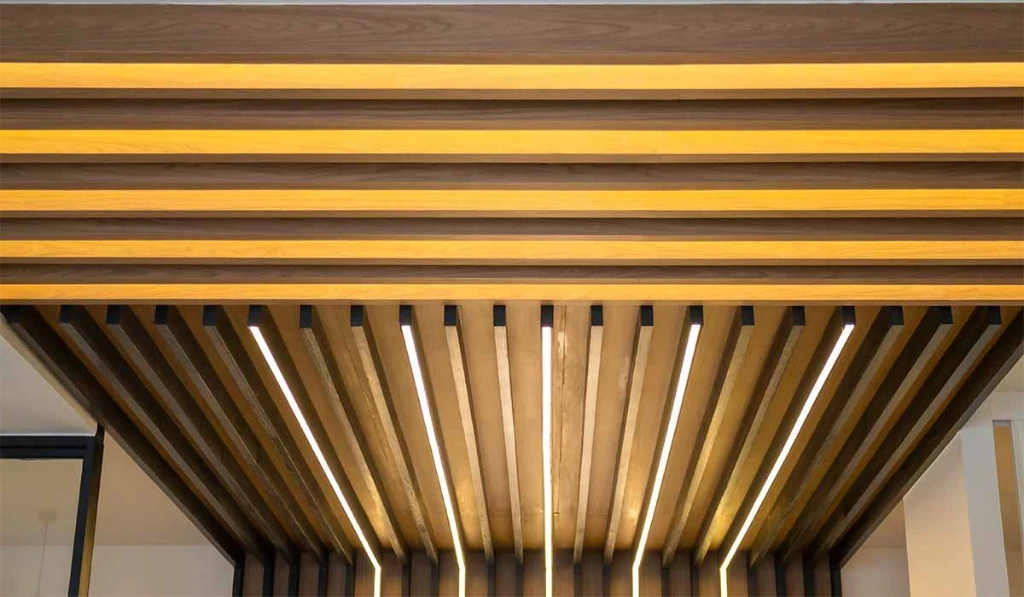
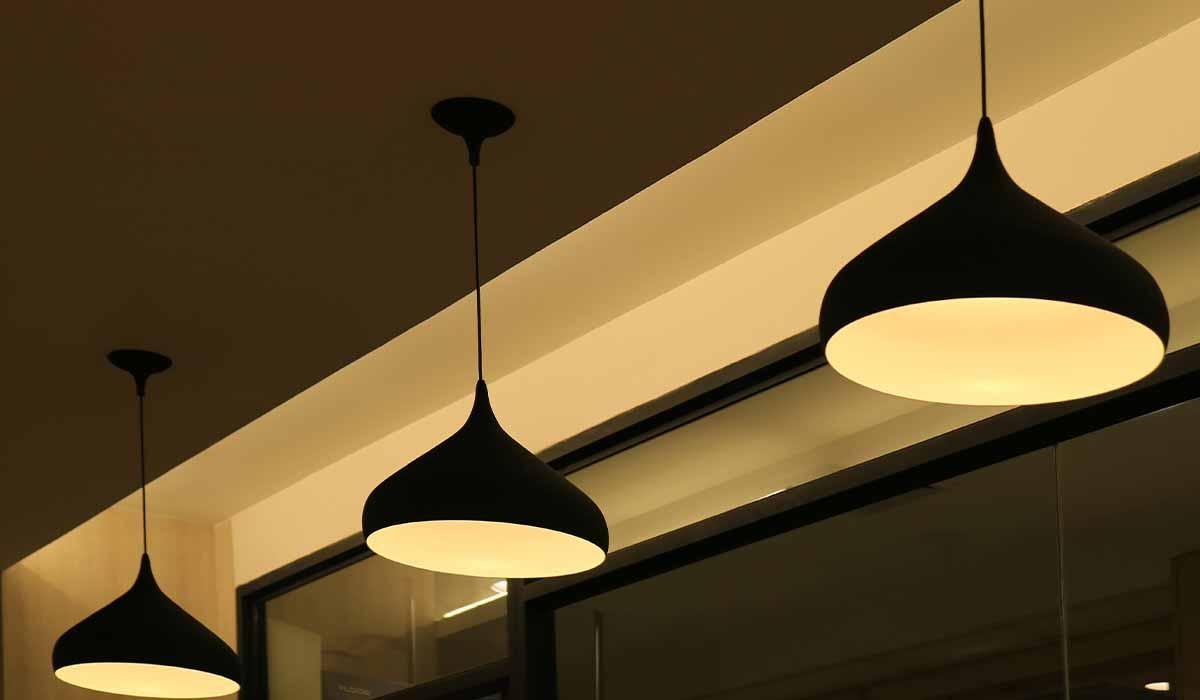
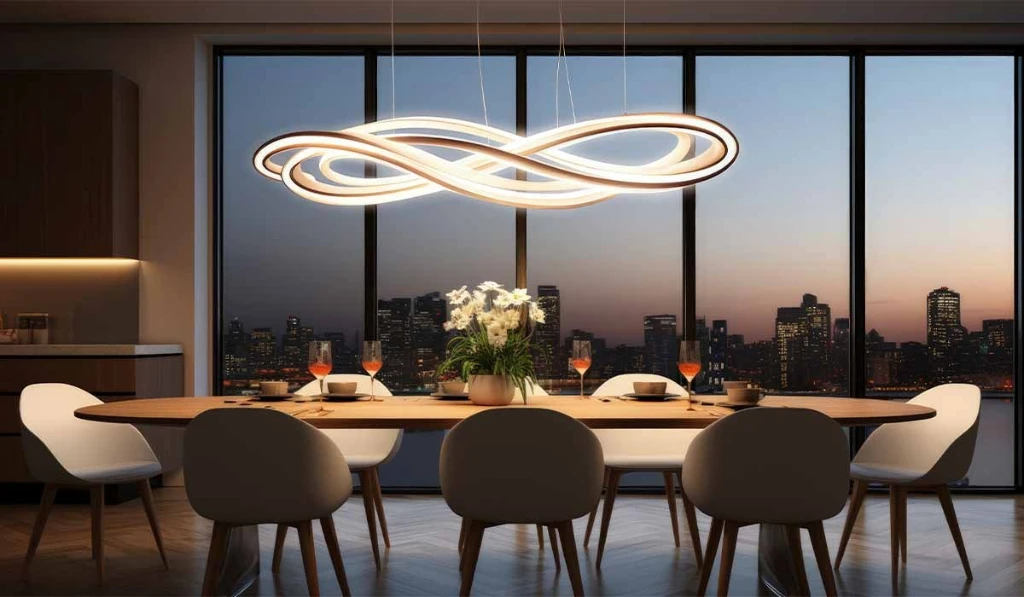
Pendant Lights: Pendant lights hang from ceilings to create focused lighting. Ideal for dining areas, kitchens, or reading nooks, they add depth and visual interest. Available in many designs, they bring both elegance and functionality.
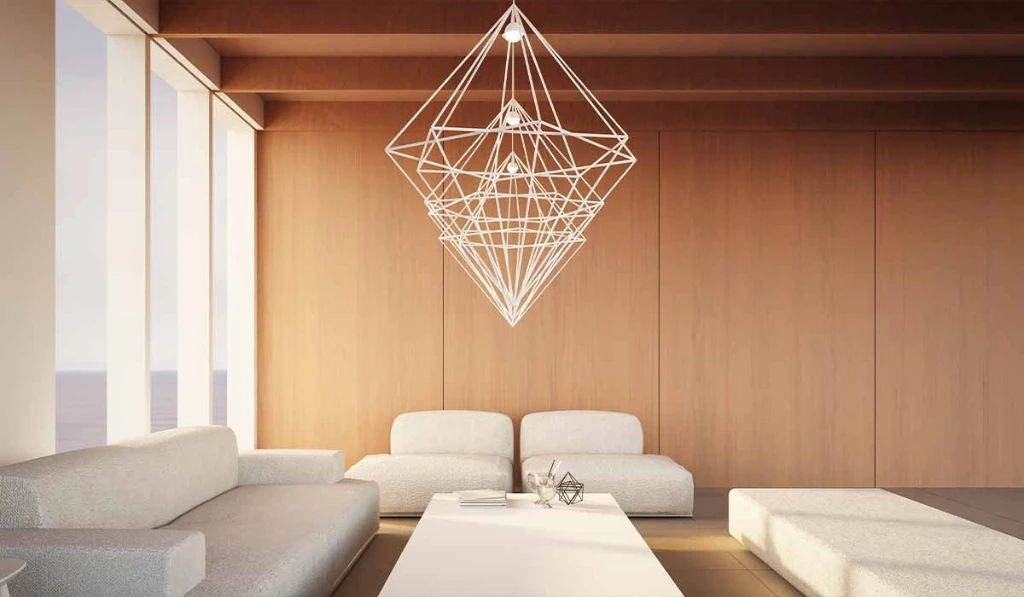
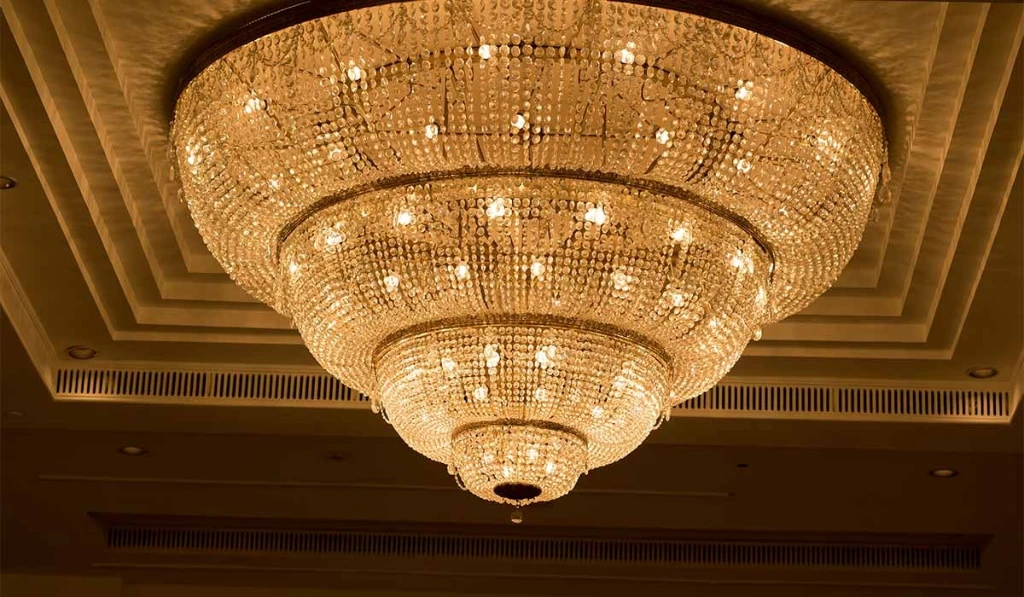
Chandeliers: Chandeliers directly attach to the ceiling slab, providing wide illumination. From classic crystal to modern geometric designs, they act as statement décor pieces. Perfect for large living rooms, they enhance ambience without false ceilings.
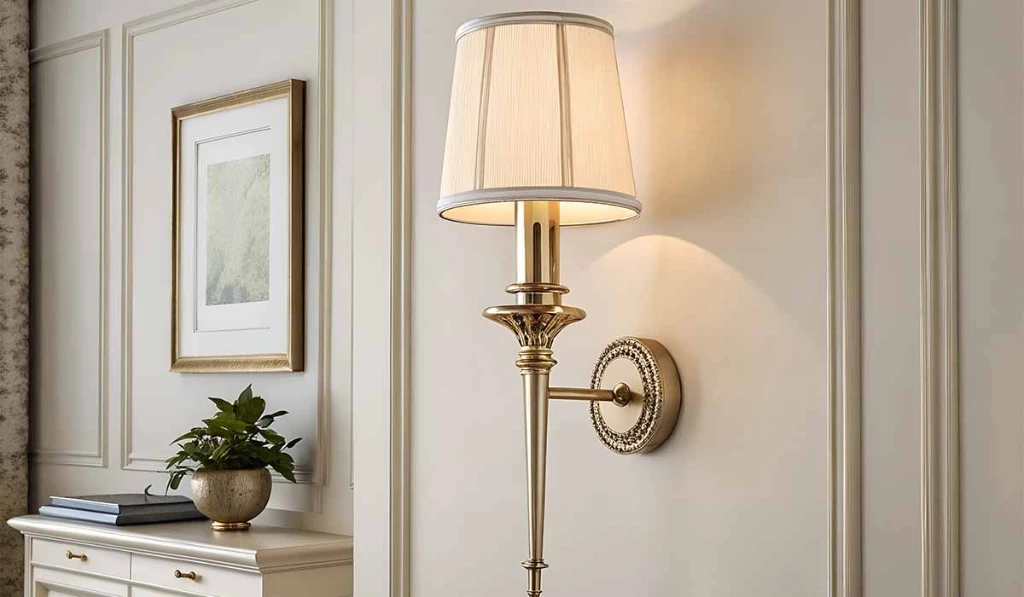
Wall Sconces: Wall sconces add decorative and functional lighting to bedrooms, hallways, or staircases. They highlight architectural details and save ceiling space. With modern dimmable options, they offer warm ambience in homes without false ceilings.
Floor Lamps: Floor lamps are portable and versatile. Placed in corners, near sofas, or beside reading chairs, they create cozy lighting. Available in arc, tripod, and upright designs, they add ambience without ceiling alterations.
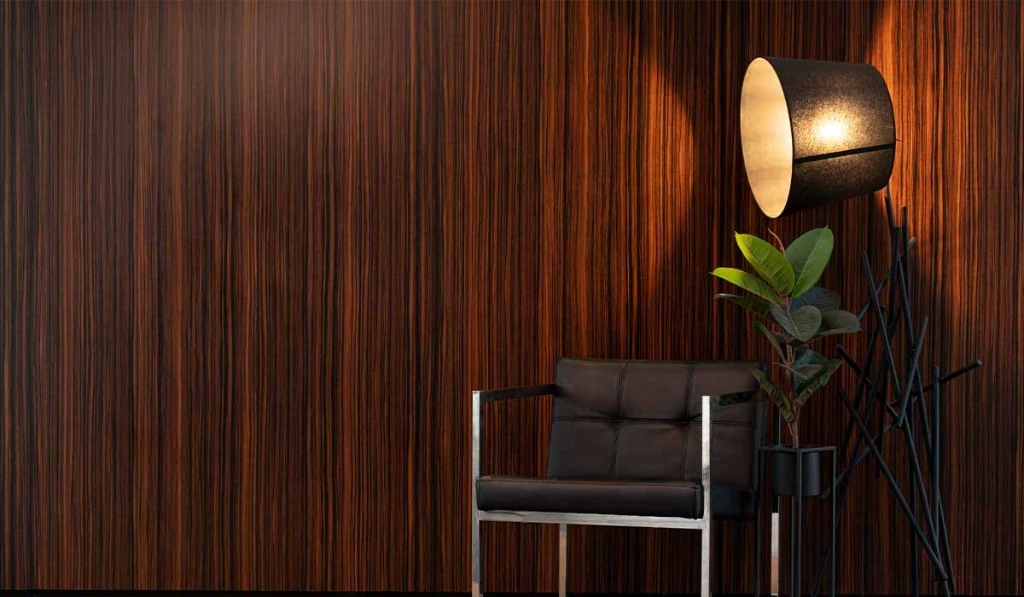
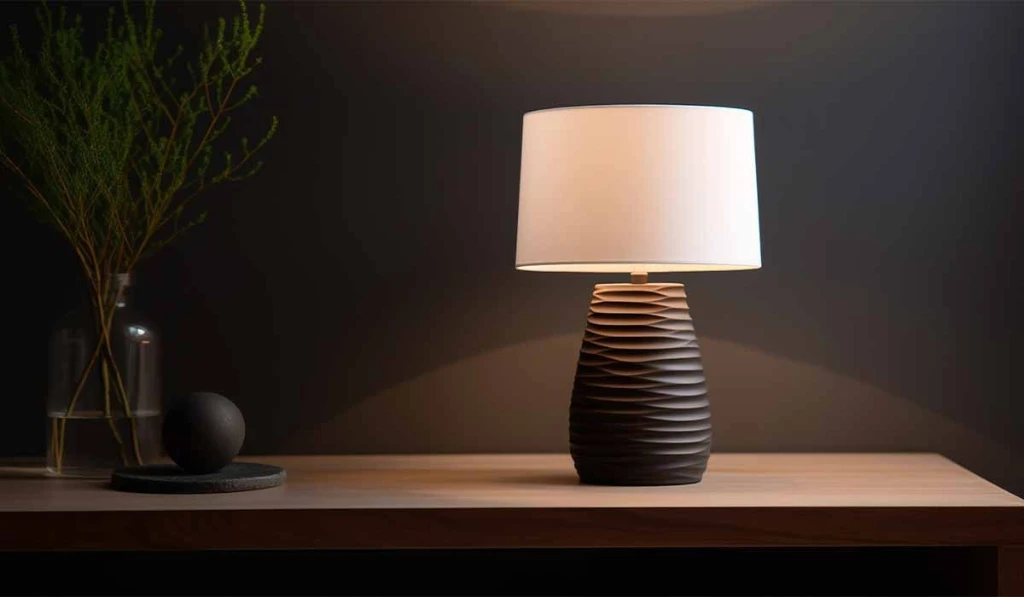
Table Lamps: Table lamps provide task and accent lighting on desks, consoles, or bedside tables. Their portability allows flexible use. With designs ranging from ceramic to metal, they enhance both practicality and style without ceiling changes.
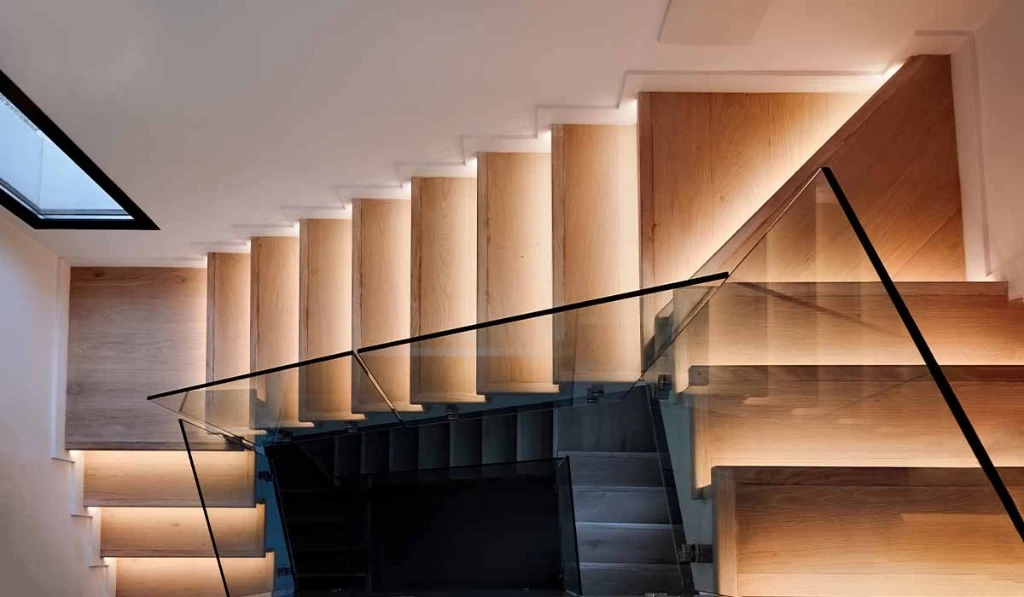
Step Lights for Stairs: Step lights on stair walls improve safety and ambience. They guide movement in dim conditions while adding visual appeal. Easy to install, they offer soft, functional illumination without relying on false ceiling structures.
LED Strips Under Shelves: LED strips under shelves or cabinets provide task lighting. In kitchens, they brighten counters, while in living rooms, they highlight décor pieces. Simple to install, they deliver direct light where needed without ceiling work.
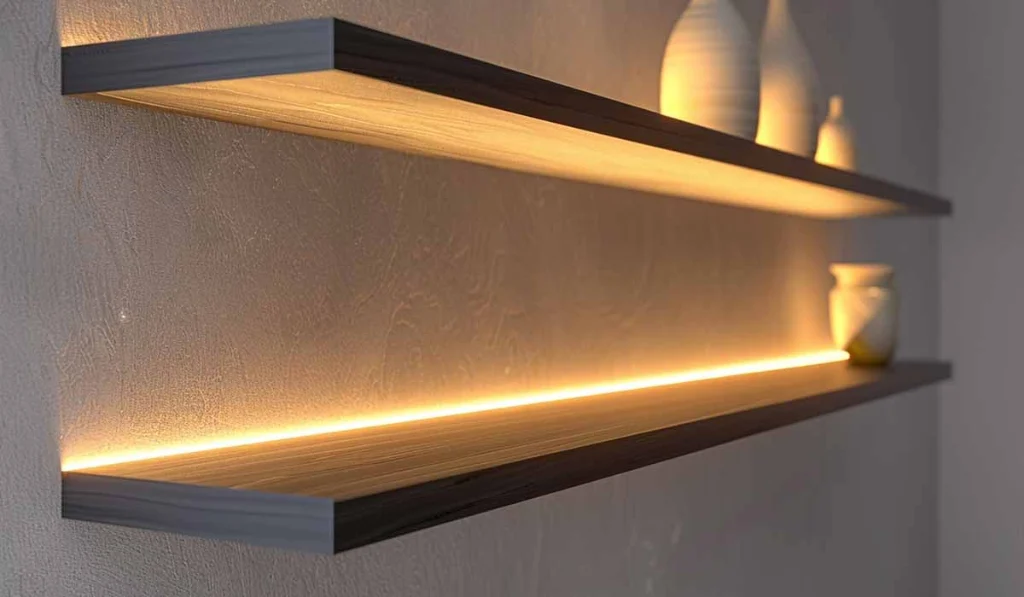
Beams with LED Strips: LED strips placed along beams create indirect glow. They highlight architectural features while softening room ambience. Ideal for rustic or modern interiors, this technique enhances depth without requiring suspended false ceilings.
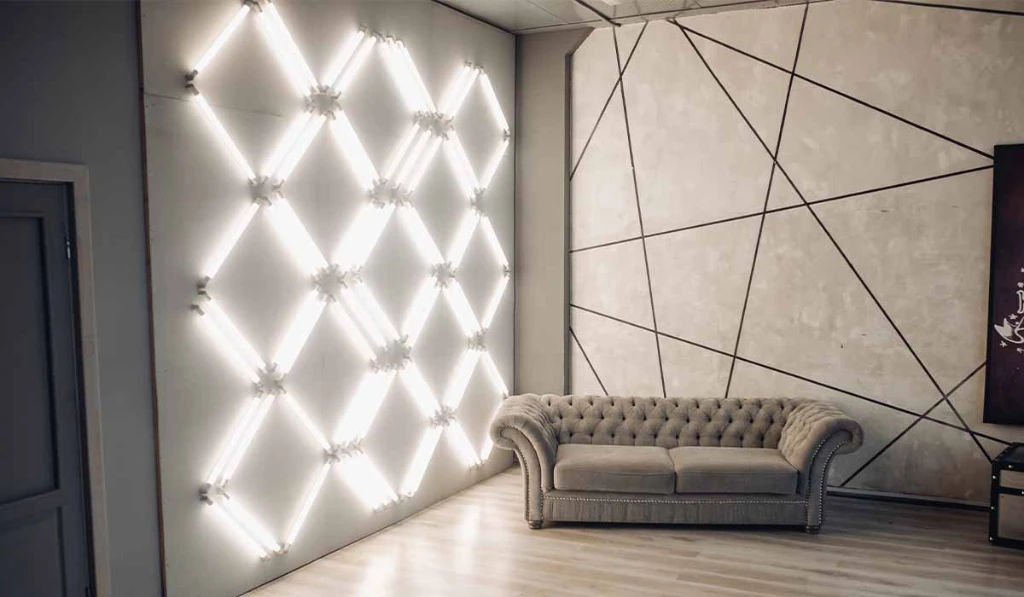
Picture Lights: Picture lights focus on artworks, photographs, or wall accents. Mounted above or beside frames, they add sophistication while doubling as accent lighting. They are easy solutions for enhancing décor without false ceiling adjustments.
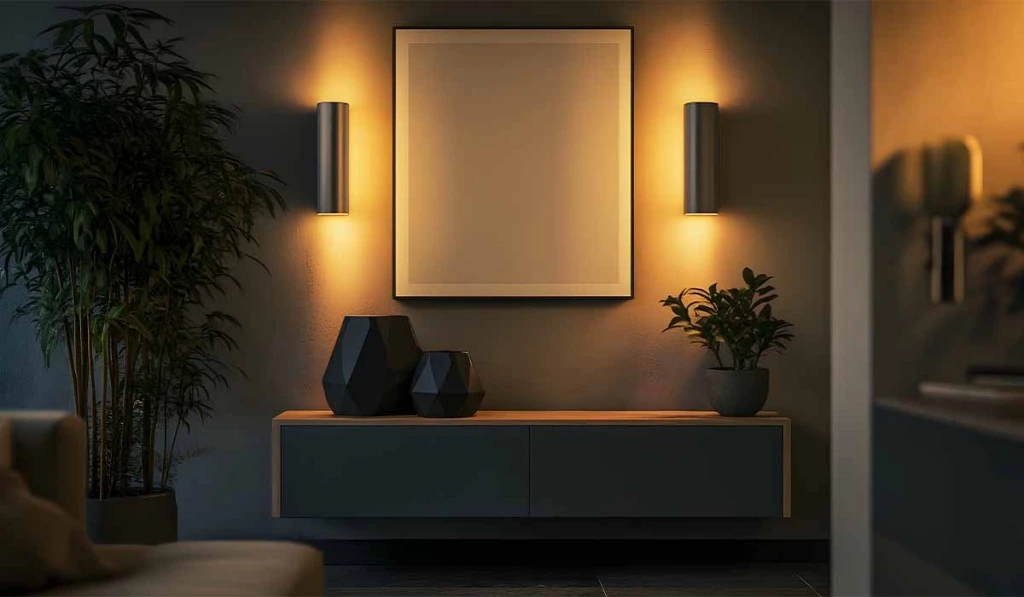
Cove-Style Lighting on Walls: Shallow wall coves with LED strips replicate ceiling cove lighting effects. They create a soft indirect glow, ideal for bedrooms or living spaces. This design achieves layered ambience without modifying the ceiling slab.
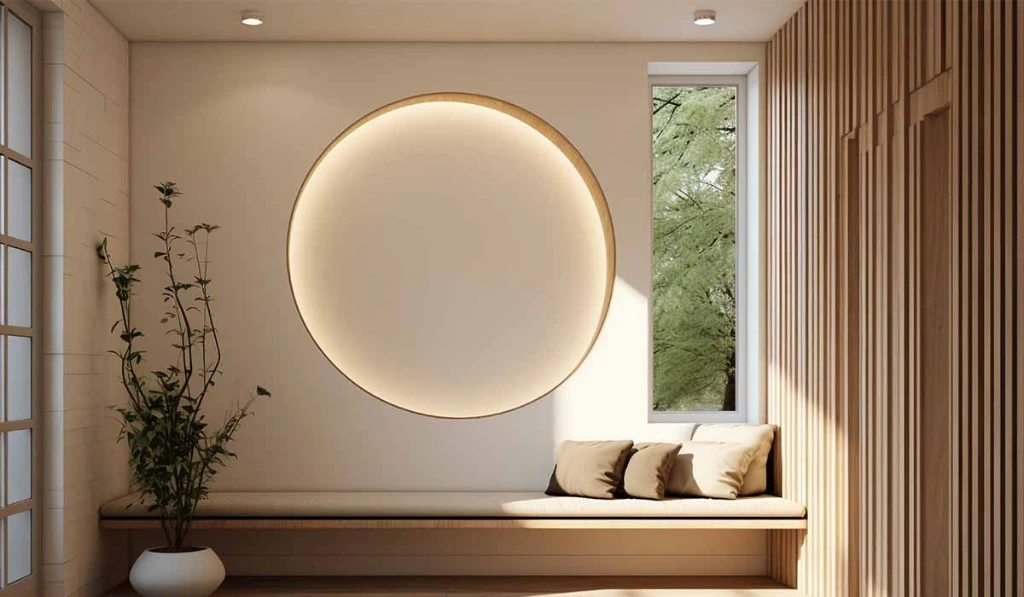
Mirror Backlighting: LED strips behind mirrors create both functional and stylish lighting. Perfect for bathrooms or dressing spaces, they reduce shadows and add elegance. Backlighting also makes areas appear brighter and more spacious.
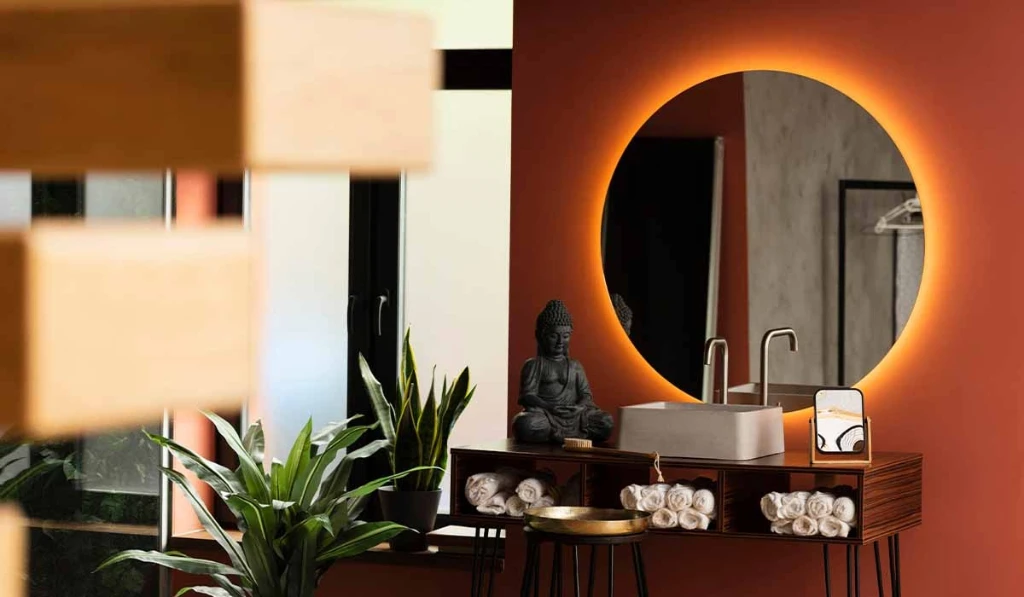
Portable Lamps: Rechargeable portable lamps provide flexible, wireless lighting. They are ideal for balconies, terraces, or rooms without wiring. Lightweight and stylish, many 2025 models include dimming and color-changing options for versatile use.
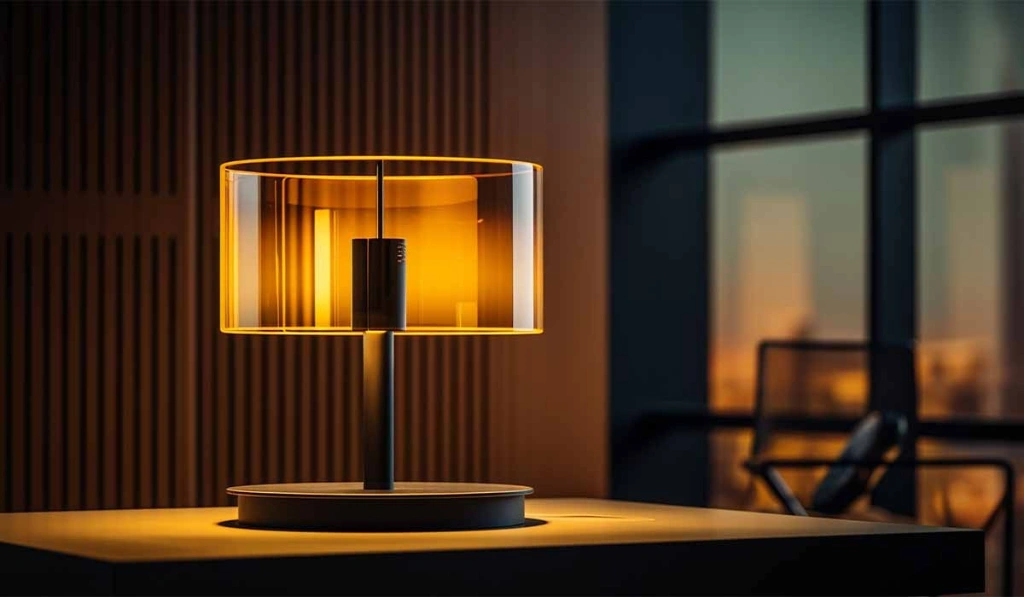
Uplighters: Uplighters cast light upward, softening ambience and making ceilings appear taller. They highlight textures and add depth in living rooms or bedrooms. Available in wall or floor types, they require no ceiling modifications.
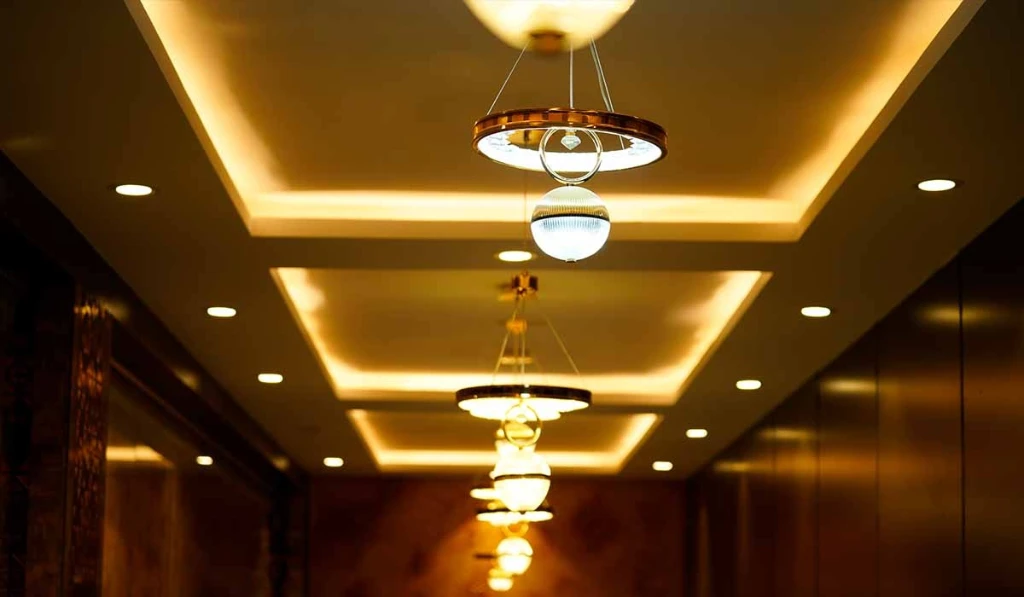
Smart Bulbs in Holders: Smart LED bulbs fit standard holders and offer app or voice control. They allow brightness adjustment, scheduling, or color change. A modern yet simple option, they bring flexibility without the need for false ceilings.
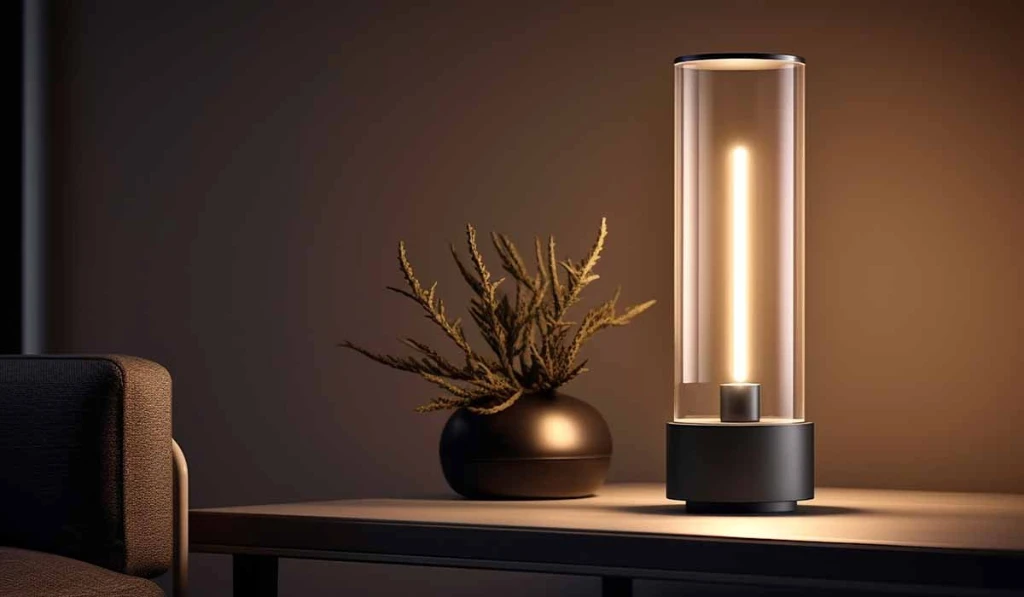
Types of Lighting Suitable Without False Ceiling
Here are lighting types that adapt well when you skip a false ceiling.
Surface-Mounted Ceiling Fixtures
Surface-mounted LED panels or round fixtures affixed directly to the ceiling are straightforward. They can spread light evenly. Choose with shallow profiles so they don’t appear too bulky. For example, slim LED panels of 20–30 mm thickness work well.
Track Lighting
Tracks mount directly to the ceiling. You can attach adjustable spotlights, flood lights, or pendants along them. This adds flexibility: you can move or rotate heads to suit layout changes.
Wall Washers / Uplights
Wall washer fixtures (floor or wall mounted) aim light upward or downward along the wall. They help give ambient light and soften the visual effect of no ceiling features.
Recessed or Semi-Recessed Fixtures (If Depth Allows)
If there is enough depth between slab and ceiling structure, you may embed shallow recessed lights or “pancake” downlights. Use models with minimal recess requirement.
Pendant / Hanging Lights
Pendants can bring lighting down into the room. Use supporting rods or cables fixed to structural beams or ceiling plates. These work particularly above dining tables, kitchen islands, or seating areas.
LED Strips (Cove Style on Beams or Walls)
LED strips can run along edges of beams, walls, or soffits. Although cove lighting is common in false ceiling, here you adapt by mounting strips in grooves or channels in structural elements.
Accent Lighting / Spotlights
Small spotlights, adjustable small LEDs, or directional beams help highlight artwork, corners, architectural features. These can mount on walls or tracks.
Benefits Lighting Without False Ceiling
False ceilings lower the height of a room. By avoiding them, ceilings look higher and spaces feel larger.
- Saves Cost: Building and maintaining a false ceiling involves extra material and labor. Direct lighting solutions are more cost-efficient.
- Easy Maintenance: Surface fixtures and wall lights are easy to clean or replace. They do not require dismantling panels.
- Flexible Design: You can mix and match lamps, sconces, and track systems. Rearranging them is easier than altering a false ceiling.
- Modern Aesthetics: Exposed lights can suit industrial, minimal, or contemporary interiors. They create unique character without hidden fixtures.
Challenges of Lighting Without False Ceiling
Mentioned here the list of challenges that one might have to come across while Lighting Without False Ceiling.
- Visible Wiring: Without hidden cavities, wiring must be managed carefully. Poorly placed conduits can spoil the look.
- Limited Recessed Options: Deep recessed lights are hard to install without ceiling depth. Only shallow models may work.
- Risk of Glare: Surface-mounted lights may cause glare if not selected or positioned properly.
- Uneven Illumination: Improper spacing of surface fixtures can leave dark corners or overly bright spots.
- Fewer Indirect Effects: Cove lighting and hidden strips are harder to achieve without ceiling recesses.
Maintenance of Lighting Without False Ceiling
Maintaining lighting without false ceiling is simpler than maintaining concealed systems. Here are a few points:
- Cleaning: Surface fixtures collect dust but are easy to wipe.
- Lamp replacement: Most LED fixtures are accessible and can be changed without tools.
- Wiring check: Exposed conduits should be inspected regularly to avoid wear.
- Smart lights: App updates and battery checks are needed for portable smart lamps.
Since there is no false ceiling, access to fixtures is straightforward, making maintenance quicker and less costly.
Tips for Lighting Without False Ceiling
Listed here are some of the tried and tested tips for Lighting Without False Ceiling. Check the points below and implement them for better results:
- Layer Lights: Combine ceiling fixtures with wall lights, floor lamps, and table lamps for balance.
- Use Neutral Colors: Choose LED lights with consistent color temperature to avoid mismatched tones.
- Highlight Walls: Use wall washers and sconces to add depth.
- Plan Wiring Routes: Conceal conduits along beams or paint them to match walls.
- Mix Decorative and Functional: Blend stylish pendants with simple surface panels for both looks and utility.
- Think About Shadows: Place lights where they reduce shadows on work areas.
- Invest in Smart Controls: Use dimmers or smart bulbs for flexible lighting moods.
- Choose Slim Fixtures: Select low-profile lights to keep ceilings neat.
Conclusion
False ceilings are common in modern homes, but they are not the only way to achieve effective lighting. With careful planning, lighting without false ceiling is not only possible but can also be practical, cost-effective, and stylish. By exploring ideas like surface lights, wall sconces, pendants, floor lamps, and LED strips, homeowners can create bright interiors without lowering ceilings.
The benefits of keeping ceiling height, reducing cost, and allowing flexibility often outweigh the challenges. With the right design approach, every space can be well-lit and inviting even without a false ceiling.