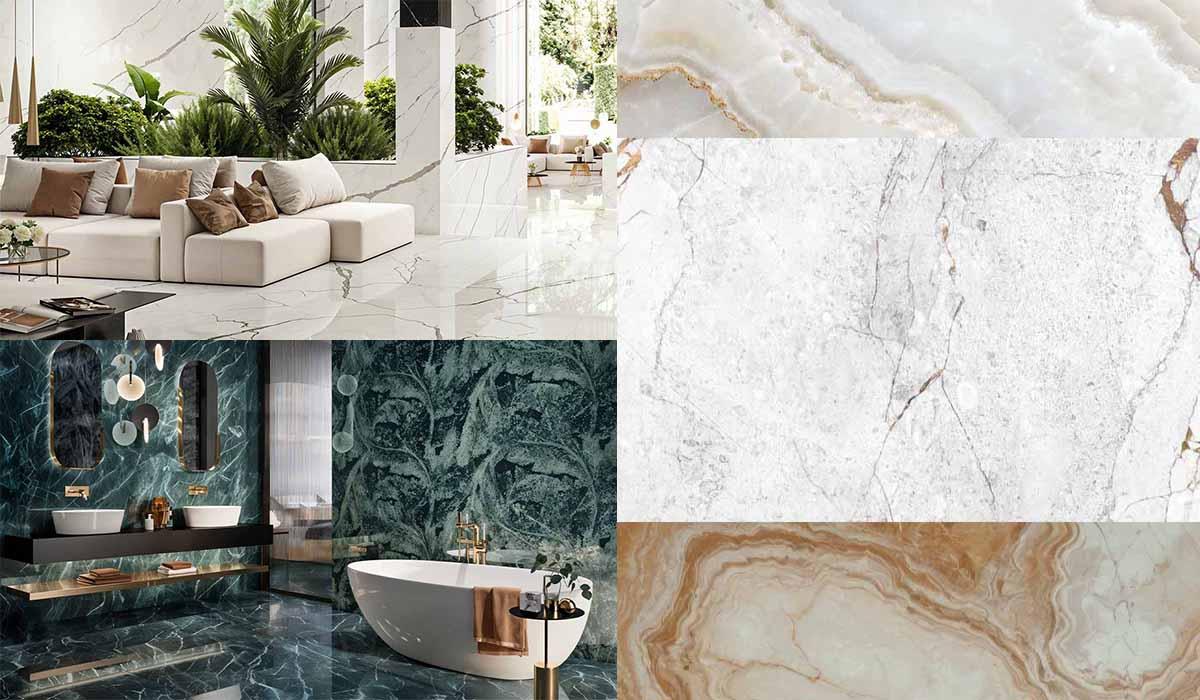
Marble has been one of the most luxury and timeless materials used in structure and interior layout. Known for its beauty, durability, and natural splendor, marble flooring immediately complements the classy value of an area. From historical palace's to trendy luxury houses, marble has stood the check of time as a symbol of class. But with infinite alternatives available, homeowners regularly marvel: Which is the quality marble for floors?
Why Choose Best Marble Flooring?
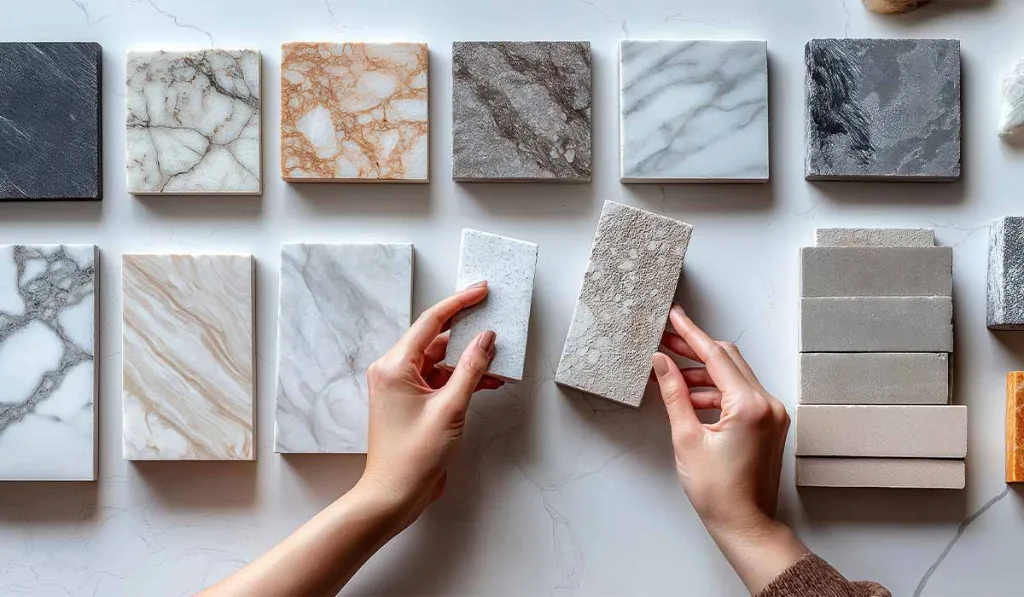
Let us understand why before diving into marble types between owners, architects and interior architects, why the first choice of marble remains the first choice for the floor between owners, architects and interior architects.
- Elegance and Aesthetics: Natural marble guidelines and a wide range of color create a luxurious and elegant look. Each marble plate is unique, which means your floor always stands out.
- Durability: With right care, marble flooring can last many years. It can aid heavy pedestrian visitors, making it suitable for residential and industrial regions.
- Variety: The marble comes in a large selection of tones and patterns - from the untouched white marble white to the deep black of Nero Marquina.
- Adds Property Value: Marmor floors improve the value of a property due to their first class and long -term nature appeal.
- Cool Underfoot: Marble stays bloodless in hot climates, making it a famous preference in tropical and hot regions, which include India, Middle East and Mediterranean countries.
- Timeless Appeal: Unlike some floor trends, marble never goes out of style.
Factors to Consider Before Choosing Marble for Flooring
When choosing the best marble for the floor, weighing many factors is important:
- Location - indoor vs. outdoor, residential vs. commercial.
- Foot Traffic - High-traffic areas such as foot traffic-hallways and living rooms require more durable marble than a bedroom.
- Finish - Polished for luxury, respected for a matte look, brushed for texture.
- Maintenance - Marble requires periodic sealing and polishing.
- Budget - Premium imported marble can be very expensive than locally citrus varieties.
- Color and Veining - The interior design theme should be supplemented.
Types of Marble for Flooring
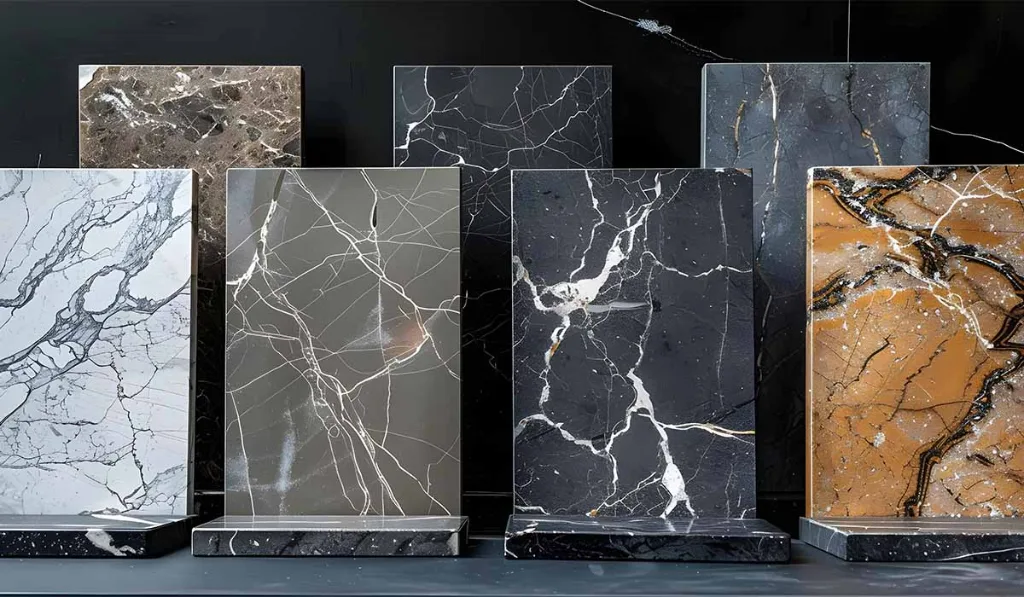
The marble comes in countless varieties, but classifies the most popular people depending on its origin and appearance.
1. Indian Marble
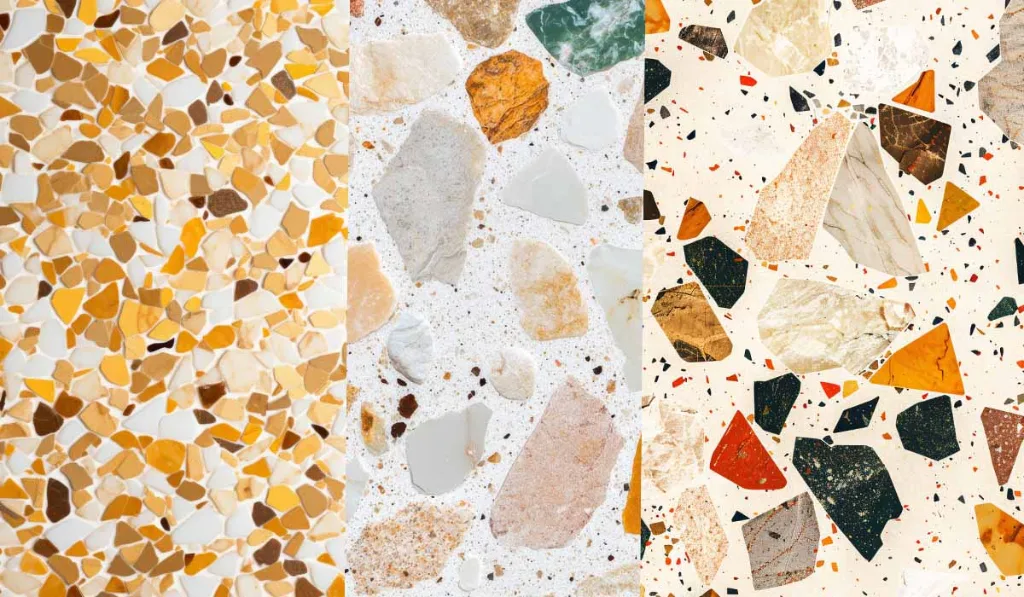
India is one of the major producers of the world of marble. Indian marble is known for its durability, strength and comprehensive availability. Some popular types include:
- Makrana Marble - Famous for being used in the Taj Mahal, Makrana marble is pure white with a lion of subtle brown. It is highly durable and one of the best marbles for the floor.
- Ambaji Marble - Found in Gujarat, it has off-white shades with light brown or pink color.
- Indian Green Marble (Udaipur Green)-A unique green marble popular for fasting, wall cladding and countertops.
- Jodhpur pink marble - adds a soft, pastel pink tone to the interiors.
- Onyx marble - is known for its translucent properties and striking patterns.
Pros of Indian Marble:
- Italian is cheaper than marble.
- Is easily available.
- Long lasting and rigid.
Cons:
- Limited range of premium shades.
- Regular maintenance is required to maintain shine.
2. Italian Marble
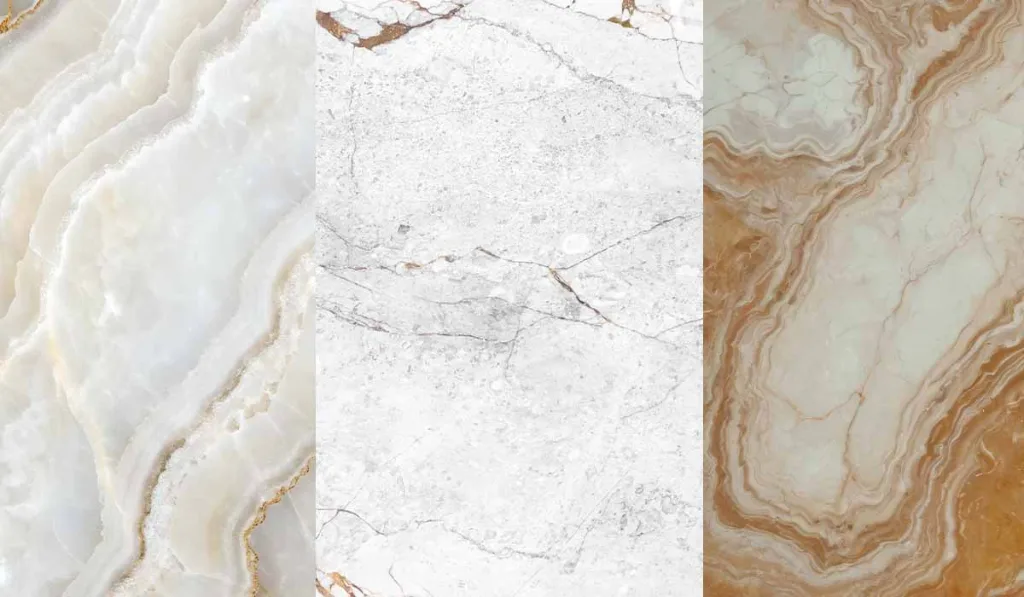
Italian marble is famous globally for its excessive excellent, costly appearance and putting veins. It is gentle than Indian marble, which offers it a more state of the art end, however it is liable to scratches.
Some famous Italian marbles include:
- Carrara Marble - Marble-white or blue, with winged veins. Widely used in sculptures and flooring.
- Calacatta marble - Carrara with dramatic veins but similar to boulders. Very costly and pricey.
- Statuario marble - is understood for its vibrant white history with fashionable gray styles. After rare and excessive demand.
- Nero Markwina Marble - with white veins unlike a striking black marble.
- Roso Levanto marble - wealthy pink marble with white stripes, ideal for ambitious interiors.
Pros of Italian Marble:
- Best, excellent appearance.
- Wide variety of colors and unique patterns.
- Property charge increases.
Cons:
- More pricey than Indian marble.
- Sealing and cautious maintenance is required.
- Soft and susceptible to scratch.
3. Imported Marble (Other Origins)
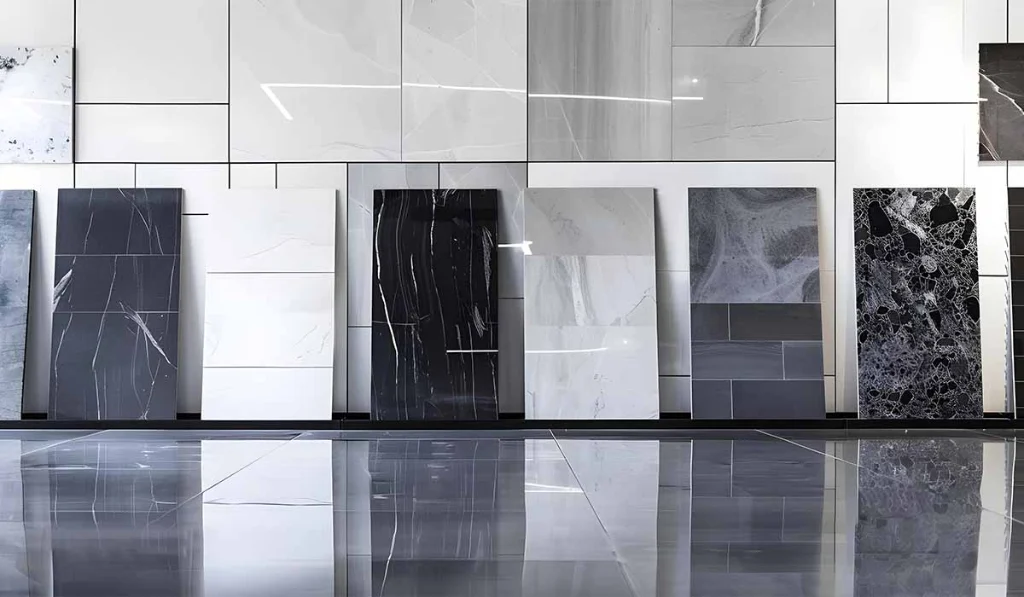
Besides Italy and India, many countries produce stunning marble types:
- Turkish Marble – Known for beige, cream, and light-colored marbles.
- Spanish Marble – Crema Marfil is one of the most famous Spanish marbles, proposing a heat beige tone.
- Greek Marble – Thassos White, a brilliant and pure white marble, is especially trendy.
- Vietnamese White Marble – Affordable alternative to Italian white marble.
Best Marble Finishes for Flooring
The beauty of marble is more potent by way of the type of finish you choose:
- Polished Finish – Glossy, reflective, and elegant. Ideal for formal dwelling rooms and luxury regions.
- Honed Finish – Matte, slip-resistant, and diffused. Perfect for lavatories and kitchens.
- Brushed/Leather Finish – Textured, rustic look. Suitable for outside or semi-outdoor areas.
- Sandblasted Finish – Rough, anti-slip end. Best for driveways and outside areas.
Note: Best Interior Designer In Noida
Top 10 Best Marble for Flooring (Overview)
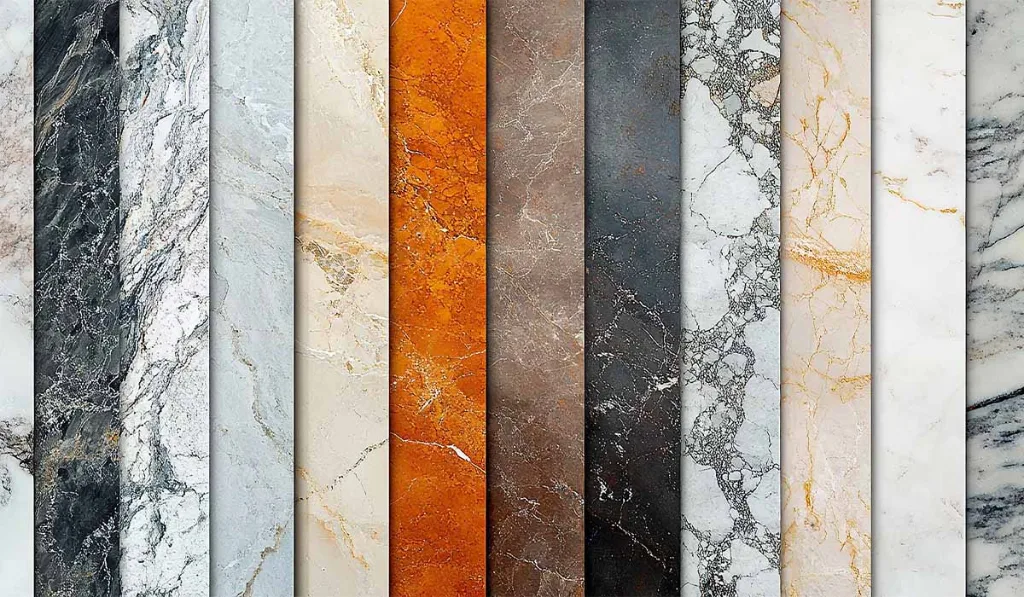
Here’s a brief list of marbles which might be taken into consideration the satisfactory for floors, which we’ll discover in element inside the next sections:
1. Makrana White Marble (India)

Overview:
Makrana Marble is one of the oldest and maximum long lasting marbles, that is used within the creation of the Taj Mahal. Known for its natural white base with mild brown patterns, it's miles an image of timeless beauty.
features:
- Origin: Rajasthan, India.
- Color: White with subtle gray or light brown.
- Purability: Excessive, resistant to wear.
Pros:
- Long lasting and highly durable.
- Shines for decades with minimal maintenance.
- Ideal for a warm climate due to its cooling properties.
Cons:
- The price is slightly higher than other Indian marbles.
- Limited color variety (mostly white).
Best Application: Floor in living rooms, lobby, temples and magnificent interiors.
Price Range (India): ₹ 250 - of 500 per sq ft.
2. Carrara Marble (Italy)
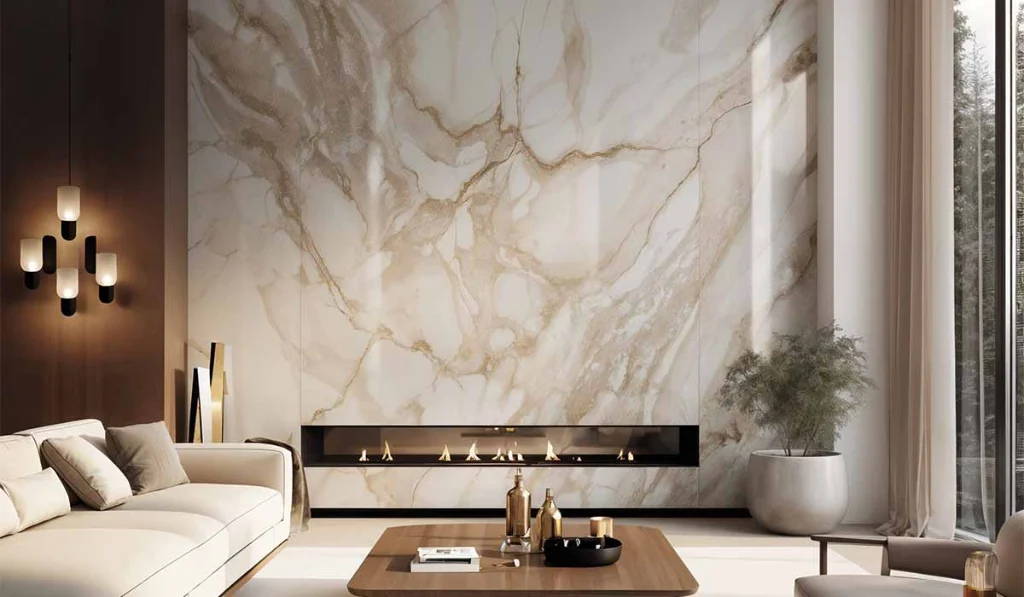
Overview:
Carrara marble is the most famous Italian marble, which is valuable for its elegance and dispersed luxury. It has been widely used in sculptures, monuments and floors for hundreds of years.
Features:
- Original: Tuscany, Italy.
- Color: first-rate, white or blue-gray with veins like feathers.
- Durability: Well, though softer than Indian marble.
Pros:
- Classic and complex appearance.
- Available in a wide slab.
- Adds high price prices to spaces.
Cons:
- Itching causes its softness.
- Need sealing and periodic protection.
Best applications: Flooring in the bedroom, L V Wataries and luxury residence rooms.
Price Range (India): ₹450 - ₹800 per sq. ft.
3. Calacatta Marble (Italy)
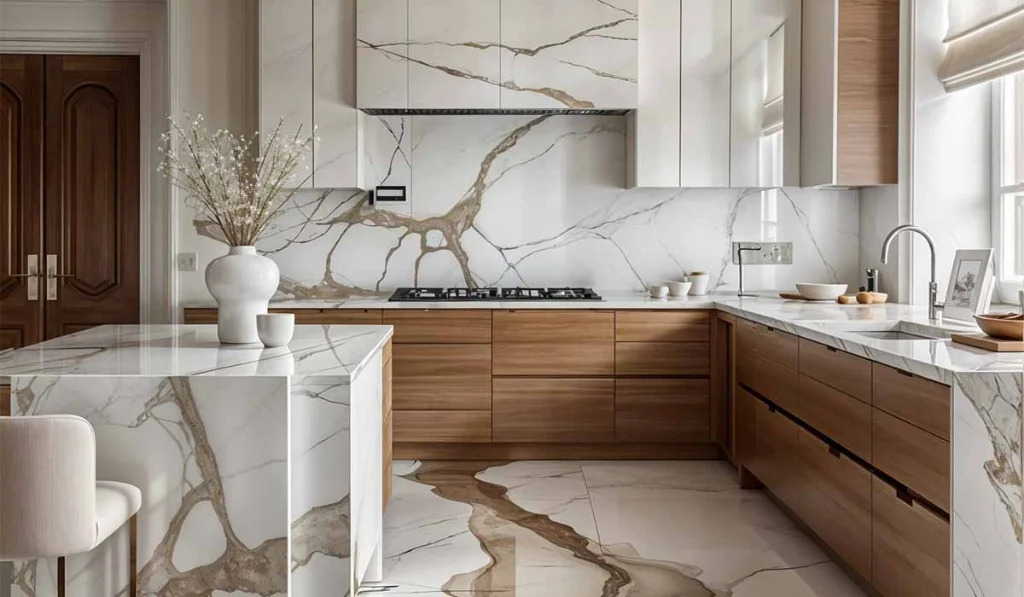
Overview:
Calacatta Marble is rare and more exceptional than Carrara. It can be understood for its bold, dramatic swaying patterns and natural white history historical accuracy, which makes it the most precious marble.
Features:
- Original: Italy.
- Color: Put white base, gold or gray veins with thick.
- Durability: Medium.
Pros:
- Extremely stylish and high priced.
- Unique ambitious pattern.
- Ideal for the top rate interior.
Cons:
- Very high priced.
- The specialist requires the establishment and excessive maintenance.
Best applications: luxury villa, flooring in places of living and statement spaces.
Price range (India): ₹650 - ₹1500 per sq. ft.
4. Statuario Marble (Italy)
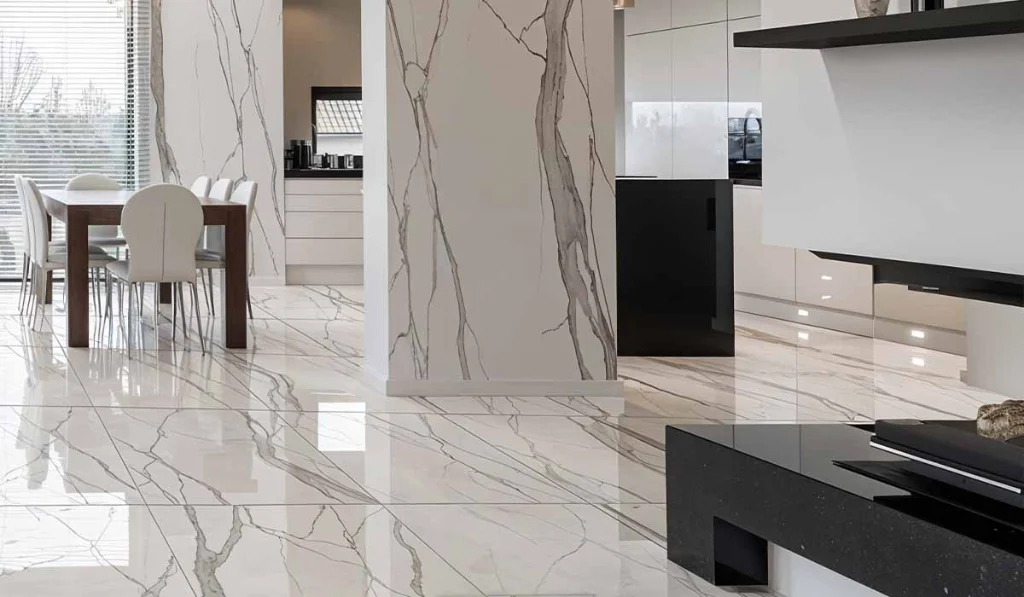
Overview:
Statuario Marble is considered one of the rare and maximum prestigious types of marble. It gives a wonderful white historical fungal past with stylish gray veins.
Features:
- Original: Italy.
- Color: Bright white with dramatic gray waning tender.
- Durability: Medium, caution requires maintenance.
Pros:
- Dignified and rare.
- Ideal for luxury interiors.
- Increases property prices.
Cons:
- One of the most expensive marbles.
- Susceptible to staining.
Best Applications: Flooring in luxury residences, five-star hotels, and showrooms.
Price Range (India): ₹1000 - ₹2000 per sq. ft.
5. Indian Green Marble (India)
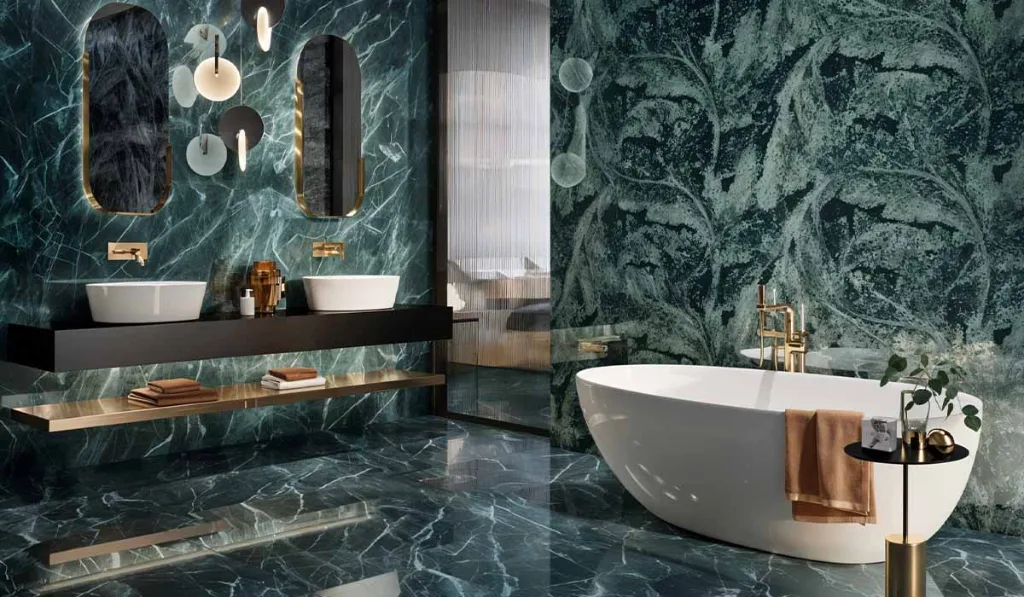
Overview:
Also known as Udaipur Green, this marble is famous for its unique green and natural patterns. It is commonly used in floor, cladding and countertops.
Features:
- Origin: Rajasthan, India.
- Color: green color with white or dark veins.
- Durability: High.
Pros:
- Unique colors were not easily found anywhere else.
- Durable and cost effective.
- Less maintenance compared to white marbles.
Cons:
- Not all internal styles can suit.
- A slightly darker tone, which may make the room look small.
Best Application: flooring in kitchens, commercial places and outer areas.
Price Range (India): ₹80 - ₹250 per sq. ft.
6. Crema Marfil Marble (Spain)
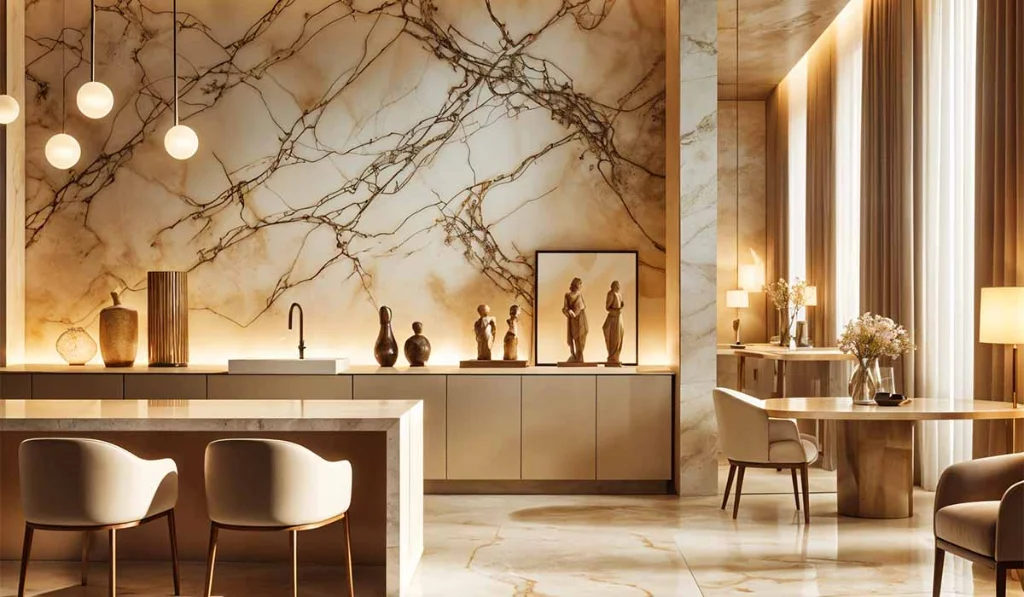
Overview:
Crema Marfil Marble is one of the most famous Spanish marbles, recognized for its warm beige tone and a uniform appearance.
Features:
- Original: Spain.
- Color: Beige with subtle disgusting.
- Durability: Good, suitable for most uses.
Pros:
- Hot and neutral tones that are mixed with all interiors.
- Price effective compared to Italian marbles.
- Is widely available.
Cons:
- Limited specificity compared to bold marbles.
- Sealing is needed to prevent stains.
Best Application: Floor in bedrooms, living areas and large halls.
Price Range (India): ₹250 - ₹500 per sq. ft.
7. Thassos White Marble (Greece)
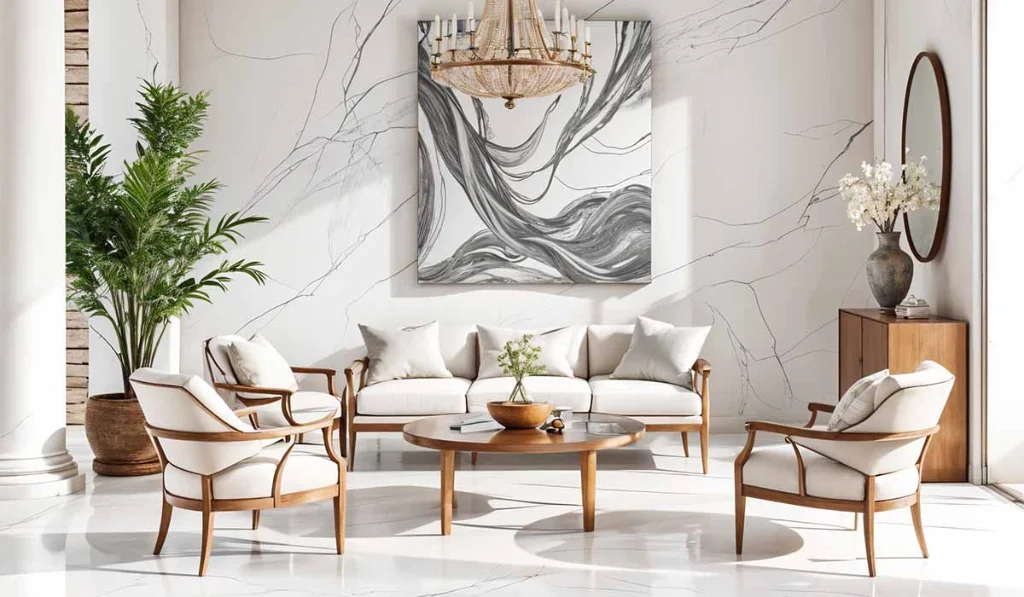
Overview:
Thassos white marble is world famous for its pure, bright white color. It is often compared to Makran marble but with a cooler undertone.
Features:
- Original: Greece.
- Color: pure white, similar surface.
- Durability: High but prone to scratch.
Pros:
- Very elegant and bright.
- The light reflects, the rooms look large.
- Very prestigious.
Cons:
- Expensive.
- Additional care is required to maintain whiteness.
Best Application: Flooring in luxury houses, lobby, temples and bathrooms.
Price Range (India): ₹600 - ₹1200 per sq. ft.
8. Nero Marquina Marble (Italy)
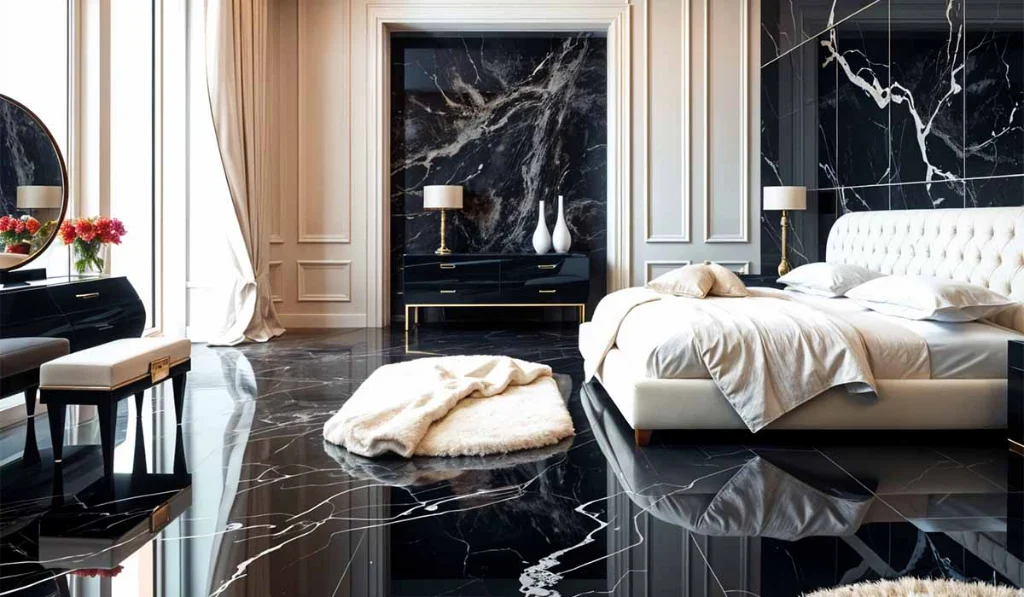
Overview:
Nero Marquina Marble is ideal for stunning black marble bold, modern interiors with opposite white veins.
Features:
- Original: Spain/Italy.
- Color: Black with striking white veins.
- Durability: Medium maintenance is required.
Pros:
- Bold and modern appearance.
- Striking opposite with white or light interiors.
- Popular in luxury projects.
Cons:
- Scratches and dust show easily.
- There is a need to shine regularly.
Best Application: flooring in offices, luxury apartments and statement places.
Price Range (India): ₹400 - ₹900 per sq. ft.
9. Ambaji Marble (India)
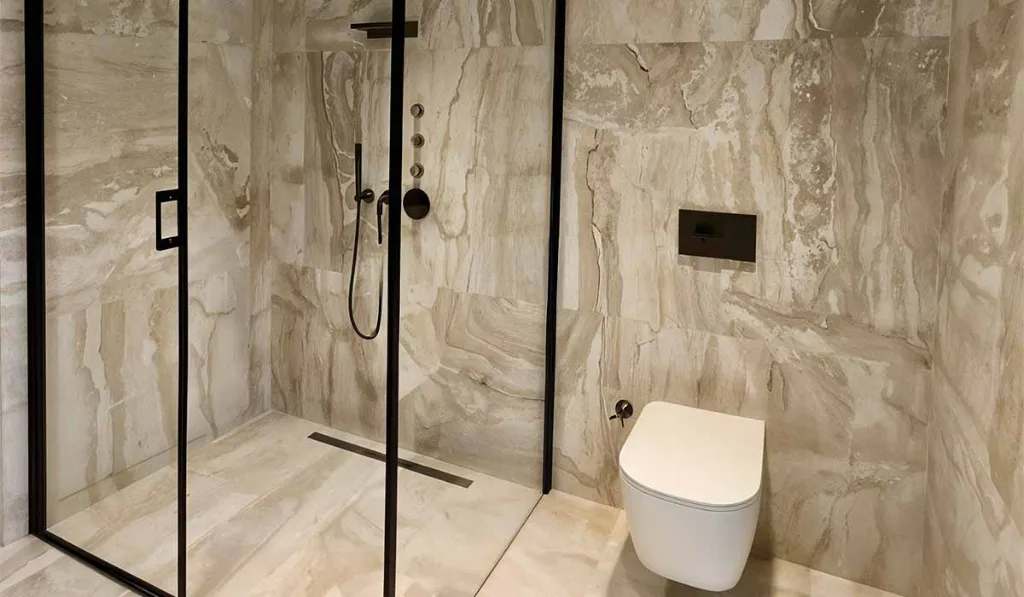
Overview:
Ambaji Marble is a premium Indian marble variety that provides a mixture of off-white tone with micro pink or gray color.
Features:
- Origin: Gujarat, India.
- Color: Off-white with gray/pink undertone.
- Durability: High.
Pros:
- Cheaper than imported marbles.
- Elegant and versatile.
- long lasting.
Cons:
- Italian is not as spectacular as white marbles.
- Periodic sealing is required.
Best Application: Floor in bedrooms, dining areas and worship room.
Price Range (India): ₹150 - ₹400 per sq. ft.
10. Rosso Levanto Marble (Italy)
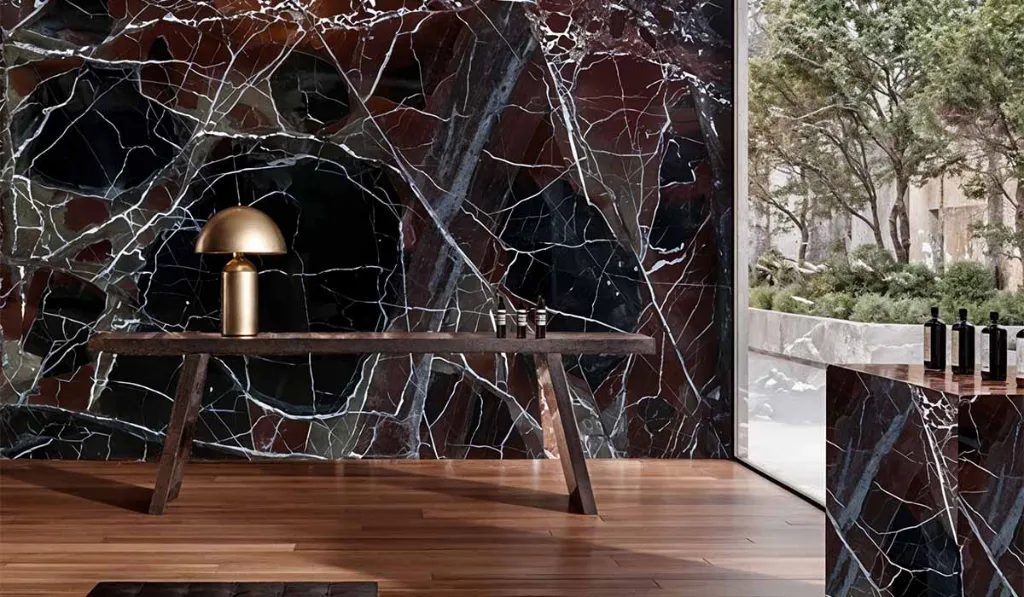
Overview:
Rosso Levanto Marble is a striking Italian marble with a deep red background and white veins. It is often used in bold and magnificent designs.
Features:
- Original: Italy.
- Color: dark red with dramatic white color.
- Durability: Medium.
Pros:
- Unique and bold design.
- Add character to the interiors.
- Perfect for the pronunciation floor.
Cons:
- Expensive and rare.
- Can cross small places.
Best Application: Floor in Gorgeous entrance, lobby and feature areas.
Price Range (India): ₹600 - ₹1200 per sq. ft.
Conclusion
It is clear that marble ground combines visible appeal with extended durability, one of the most acceptable floor materials in the international market. From Indian to different imported varieties, each kind has its personal character, advantages and barriers. Understanding elements that have an effect on your choice - including area, price range, finish and upkeep - prepares the idea for proper choice.